National Statistics on Child Abuse

In 2015, an estimated 1,670 children died from abuse and neglect in the United States.1 In 2015, Children’s Advocacy Centers around the country served more than 311,0002 child victims of abuse, providing victim advocacy and support to these children and their families.
Nearly 700,000 children are abused in the U.S annually. An estimated 683,000 children (unique incidents) were victims of abuse and neglect in 2015, the most recent year for which there is national data.
CPS protects more than 3 million children. Approximately 3.4 million children received an investigation or alternative response from child protective services agencies. 2.3 million children received prevention services.
The youngest children were most vulnerable to maltreatment. Children in the first year of their life had the highest rate of victimization of 24.2 per 1,000 children in the national population of the same age.
Neglect is the most common form of maltreatment. Of the children who experienced maltreatment or abuse, three-quarters suffered neglect; 17.2% suffered physical abuse; and 8.4% suffered sexual abuse. (Some children are polyvictimized—they have suffered more than one form of maltreatment.)
About four out of five abusers are the victims’ parents. A parent of the child victim was the perpetrator in 78.1% of substantiated cases of child maltreatment.
How Children's Advocacy Centers Served Children: Statistics 2
Children’s Advocacy Centers served more than 311,000 children around the country in 2015. Here’s a snapshot of these children.

Two-thirds of children served disclosed sexual abuse (205,438).
Nearly 20% of children served disclosed physical abuse (60,897).
211,831 children received on-site forensic interviewing at a Children’s Advocacy Center.
People Investigated for Abuse

Of those alleged to have abused children, nearly a quarter were themselves children.
Almost 40% were a parent or caregiver of the child victim.
Fully 90% of alleged abusers were related in some way to the child victim.
1 All national child abuse statistics cited from U.S. Administration for Children & Families, Child Maltreatment 2015. https://www.acf.hhs.gov/cb/resource/child-maltreatment-2015
2 National Children’s Alliance 2015 national statistics collected from Children’s Advocacy Center members and available on the NCA website: http://www.nationalchildrensalliance.org/cac-statistics




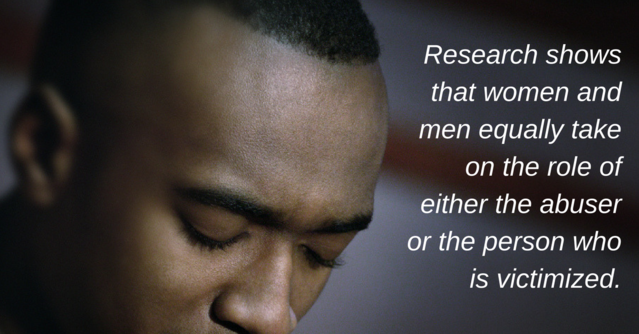




- Communication is designed to humiliate, shame, or demean. The abuser enjoys “finding fault” with or “correcting” their partner, frequently pointing out their mistakes as a way to put them down both privately and in front of other people.
- The abuser frequently belittles or disregards the other person’s thoughts, feelings, opinions, suggestions, or ideas, making it unsafe for them to freely or safely express themselves. In addition, they disregard the other person’s right to privacy or boundaries.
- Teasing and sarcasm are employed to make the other person appear foolish. Yet when the victim complains they are accused of being “overly sensitive” or not having a sense of humor.
- The abuser seeks to control all aspects of the relationship through financial withholding, verbal or physical intimidation, sex, granting or denying “permission,” stalking or harassing, or by making unilateral decisions that impact the other person.
- The victim often feels “punished” by the abuser and over time is brainwashed into believing that they deserve the maltreatment they’ve received.
- The abuser is usually emotionally distant and unavailable, forcing their partner to “work for” even the smallest degree of validation, support, or comfort. The victim is also made to feel guilt for wanting any emotional connection at all.
Since all of these behaviors are “normalized” or justified by the abuser, they create tremendous confusion and self-doubt in the victim. Part of why it’s so difficult for the victim to summon the courage to leave an emotionally abusive relationship is because they continually question their right to be upset, afraid, angry, or unhappy. In these situations, the support, guidance and encouragement of a well trained professional who understands the nuances of emotional abuse becomes a necessary resource.If you’ve found the strength to leave this kind of relationship, please share your story to inspire others.
About the Author
I hope you liked this article as much as I did.
-Deborah